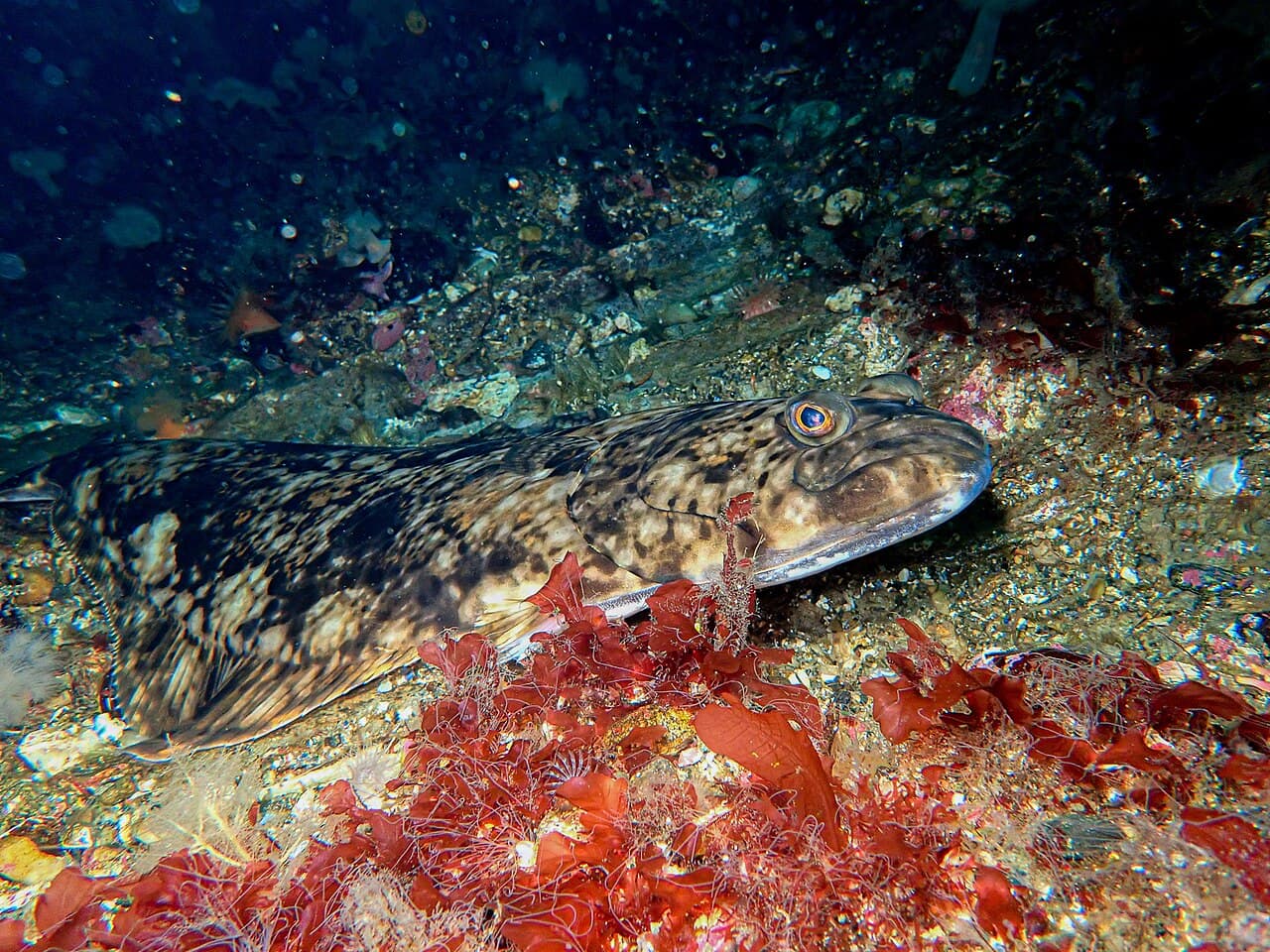
Atlantic Halibut
Hippoglossus hippoglossus
Photo: Vsevolod Rudyi · CC BY 4.0 · via Wikimedia Commons
Keep or release?
Where are you fishing?
Size limits, seasons and female rules are set by each state. Pick yours to get a verdict.
TIDE covers New Jersey, Pennsylvania and Maryland rules, plus federal protections everywhere.
Verifying against GBIF…
Conservation status
IUCN Red ListGlobally assessed as Near Threatened. That global figure is carried by healthier northeast Atlantic populations — US stocks remain severely depleted and the directed fishery has been effectively closed for decades.
What Near Threatened means
Close to qualifying for a threatened category, or likely to qualify in the near future.
On your plate
Check Local Guidance
Commonly eaten as 'halibut' — but Atlantic halibut is the depleted one. Pacific halibut is a different species from a well-managed fishery, and it is what most US halibut actually is.
Sustainable seafood programs currently advise against this species, so TIDE shows alternatives instead of recipes.
Regional fishing status
The US Atlantic halibut stock is at a small fraction of its historic size, with no directed fishery. Pacific halibut is managed jointly by the US and Canada and is not overfished.
If you buy it
- Ask whether halibut is Pacific or Atlantic — they are different species with opposite stories.
- Pacific halibut from Alaska or British Columbia is the responsible substitute.
Conservation status and seafood sustainability are two different questions. A species can be Least Concern globally and still be overfished, protected or unsustainable where you are.
Habitat
Cold, deep waters over sand, gravel and clay bottoms
Range
North Atlantic, from Greenland and Norway to the Gulf of Maine
Size
Up to 4.5 m and 320 kg
Diet
Fish, crabs, clams and squid
Lifespan
Up to 50 years
Group
fish
The largest flatfish in the world — an adult can outweigh a grizzly bear.
Halibut hatch with an eye on each side of the head; one eye then migrates across the skull as the fish turns to swim flat.
Slow growth and late maturity are exactly the traits that make a fish easy to overfish and slow to recover.
Try this instead
Sustainable seafood alternatives
While Atlantic Halibut stocks recover, these choices carry a lighter footprint.