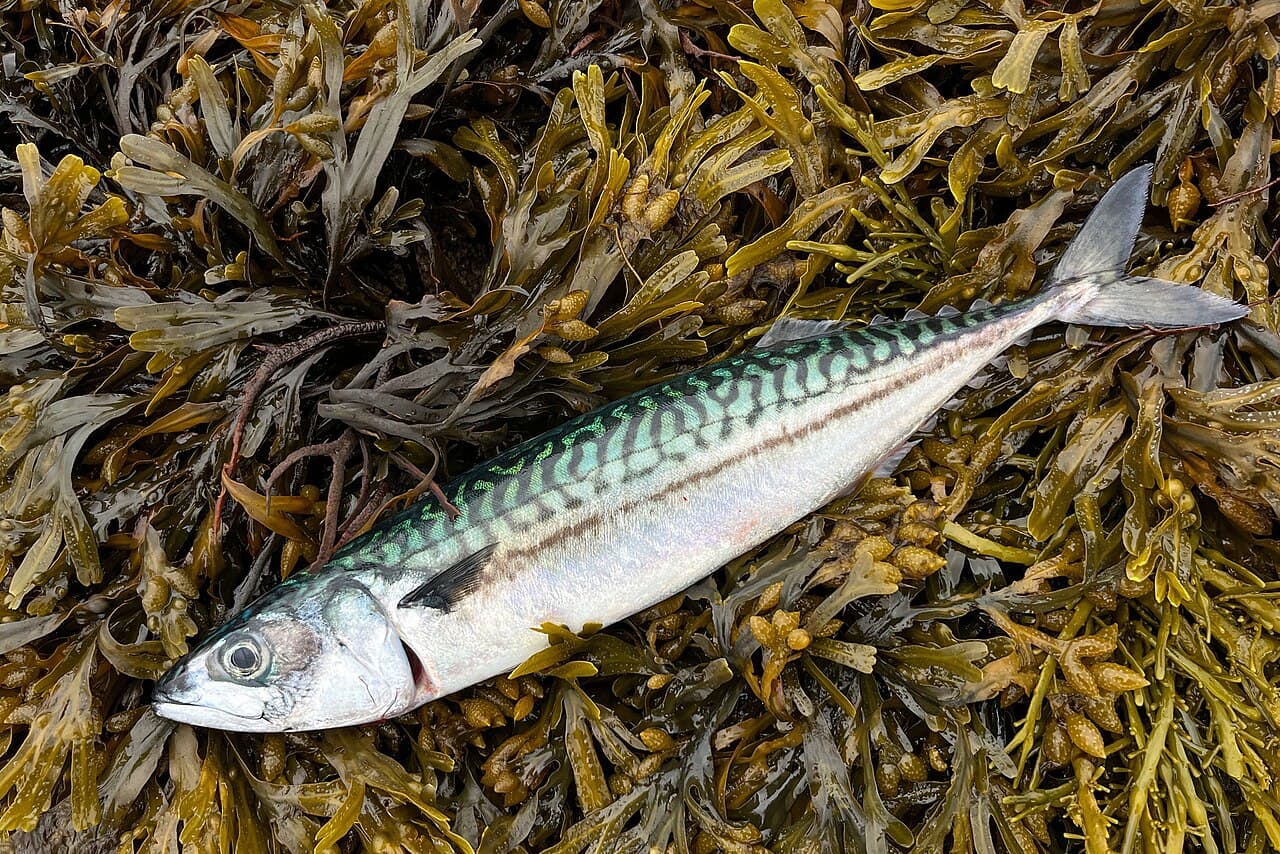
Atlantic Mackerel
Scomber scombrus
Photo: Mikael Nyman · CC BY 4.0 · via Wikimedia Commons
Keep or release?
Where are you fishing?
Size limits, seasons and female rules are set by each state. Pick yours to get a verdict.
TIDE covers New Jersey, Pennsylvania and Maryland rules, plus federal protections everywhere.
Verifying against GBIF…
Conservation status
IUCN Red ListLeast Concern. Mackerel are short-lived, fast-reproducing schooling fish, which makes them far more resilient than the large predators that eat them.
What Least Concern means
Assessed as widespread and abundant. This describes the global population, not fishing pressure or legal protection.
On your plate
Common Seafood
A small, oily, fast-growing fish low on the food chain — one of the lowest-impact seafood choices available, and rich in omega-3.
Regional fishing status
Northwest Atlantic mackerel has been under a rebuilding plan in recent years. Northeast Atlantic mackerel lost its MSC certification in 2019 when coastal states set quotas above scientific advice.
If you buy it
- Handline and purse-seine caught mackerel has low seabed impact.
- Canned or tinned mackerel keeps the omega-3 benefit at a fraction of the price of larger fish.
Conservation status and seafood sustainability are two different questions. A species can be Least Concern globally and still be overfished, protected or unsustainable where you are.
Habitat
Open water over continental shelves, migrating seasonally
Range
North Atlantic on both sides, including the Mediterranean and Black Sea
Size
30–40 cm, up to 60 cm
Diet
Zooplankton, small fish and crustaceans
Lifespan
Up to 20 years
Group
fish
Mackerel have no swim bladder, so they must keep swimming to avoid sinking.
Their tiger-striped backs break up their outline when seen from above by seabirds.
Eating low on the food chain means lower mercury: small pelagic fish carry a fraction of the load found in tuna or swordfish.
Cook this species