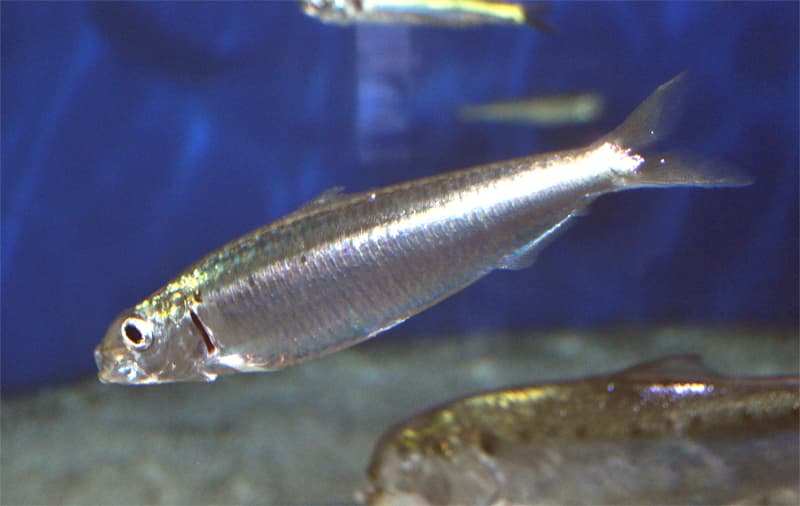
European Sardine
Sardina pilchardus
Photo: This illustration was made by Citron You must credit this : Citron / CC-BY-SA-3.0 · CC BY-SA 3.0 · via Wikimedia Commons
Keep or release?
Where are you fishing?
Size limits, seasons and female rules are set by each state. Pick yours to get a verdict.
TIDE covers New Jersey, Pennsylvania and Maryland rules, plus federal protections everywhere.
Verifying against GBIF…
Conservation status
IUCN Red ListLeast Concern. Sardine numbers swing naturally with ocean conditions, and stocks off Iberia have been under rebuilding measures during recent low periods.
What Least Concern means
Assessed as widespread and abundant. This describes the global population, not fishing pressure or legal protection.
On your plate
Common Seafood
Small, abundant and filter-feeding — sardines are consistently rated among the best seafood choices for both sustainability and nutrition.
Regional fishing status
Managed under EU and national plans; the Iberian stock has been subject to rebuilding measures after low recruitment years.
If you buy it
- Purse-seine caught sardines have very little bycatch.
- Tinned sardines with bones deliver calcium along with omega-3.
Conservation status and seafood sustainability are two different questions. A species can be Least Concern globally and still be overfished, protected or unsustainable where you are.
Habitat
Coastal surface waters, in dense schools
Range
Northeast Atlantic from the North Sea to Senegal, plus the Mediterranean
Size
Up to 25 cm
Diet
Plankton, filtered from the water
Lifespan
Up to 8 years
Group
fish
Sardines feed on plankton, so they accumulate almost none of the mercury that builds up in larger predators.
The California sardine fishery collapsed in the 1940s and took Monterey's Cannery Row with it — the warning that shaped modern forage-fish management.
A single school can contain millions of fish moving as one shape.
Cook this species