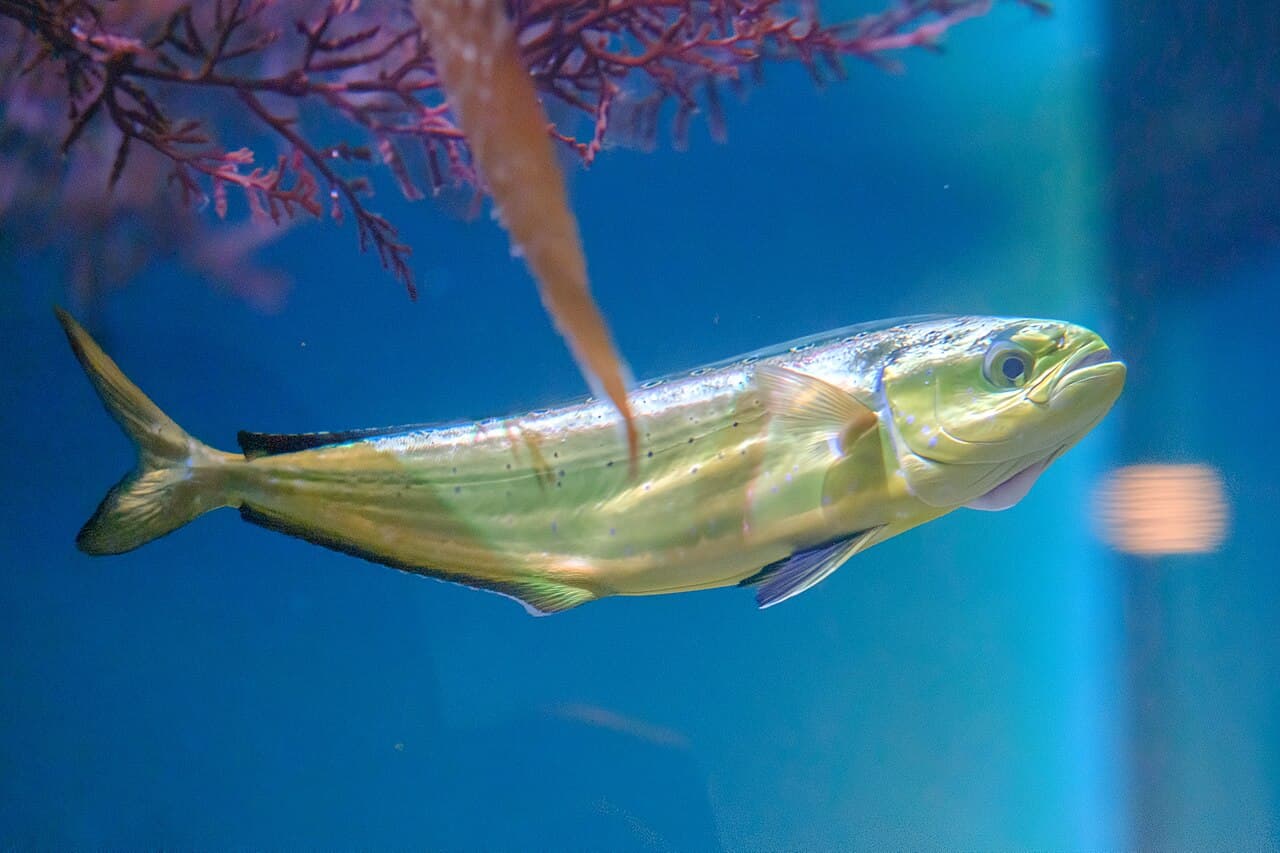
Mahi-Mahi
Coryphaena hippurus
Photo: gendereuphorbia · CC0 · via Wikimedia Commons
Keep or release?
Where are you fishing?
Size limits, seasons and female rules are set by each state. Pick yours to get a verdict.
TIDE covers New Jersey, Pennsylvania and Maryland rules, plus federal protections everywhere.
Verifying against GBIF…
Conservation status
IUCN Red ListLeast Concern. Mahi-mahi grow and reproduce fast enough to withstand substantial fishing pressure, which makes them one of the more resilient large food fish.
What Least Concern means
Assessed as widespread and abundant. This describes the global population, not fishing pressure or legal protection.
On your plate
Common Seafood
A genuinely good choice. Fast growth and early maturity mean populations rebound quickly.
Regional fishing status
US Atlantic and Pacific stocks are not overfished and not subject to overfishing.
If you buy it
- US troll- and pole-caught mahi is the lowest-bycatch option.
- Imported longline mahi carries higher turtle and shark bycatch risk.
Conservation status and seafood sustainability are two different questions. A species can be Least Concern globally and still be overfished, protected or unsustainable where you are.
Habitat
Warm surface waters, often near floating weed lines and debris
Range
Tropical and subtropical seas worldwide
Size
Commonly 1 m, up to 2 m and 40 kg
Diet
Flying fish, squid, crustaceans and juvenile fish
Lifespan
4–5 years
Group
fish
One of the fastest-growing fish in the ocean — a mahi can reach a metre in its first year.
Its electric blue, green and gold colouring fades within minutes of leaving the water.
Also called dolphinfish, though it has no relationship to dolphins — which is why menus use the Hawaiian name.
Cook this species