▼ 0 mSurface

OwlHacks 2026 · Deep Sea Aquatics

Theodore, Issaka & Oliver

Scroll to dive

◎ Tap any creature to find it in the field guide

02The problem

3.1 billion

people get at least one-fifth of their animal protein from aquatic animal foods

FAO, The State of World Fisheries and Aquaculture 2026 ↗

89%

of aquatic animal production goes to human consumption

FAO, The State of World Fisheries and Aquaculture 2026 ↗

600M+

livelihoods are supported by the aquatic food sector

FAO, The State of World Fisheries and Aquaculture 2026 ↗

64.5%

of assessed global marine fishery stocks were exploited within biologically sustainable levels in 2021

FAO, Review of the State of World Marine Fishery Resources 2025 (2021 data) ↗

And out on the dock, whether a fish or a crab is okay to keep usually comes down to memory and a guess. That's the moment TIDE is for.

03Why it matters

Food

Fish, crabs and clams feed families all over the world — ours included.

Fishing

For a lot of people it's how the weekend goes: a line off the pier, a trap off the dock.

Conservation

Keep an undersized fish or a crab carrying eggs, and there are fewer of them next season.

Families

A lot of us learned from a parent or a grandparent, on the same water they fished.

Future generations

What we take today decides what our kids and grandkids get to see.

04The people

The ocean was part of our lives long before this hackathon.

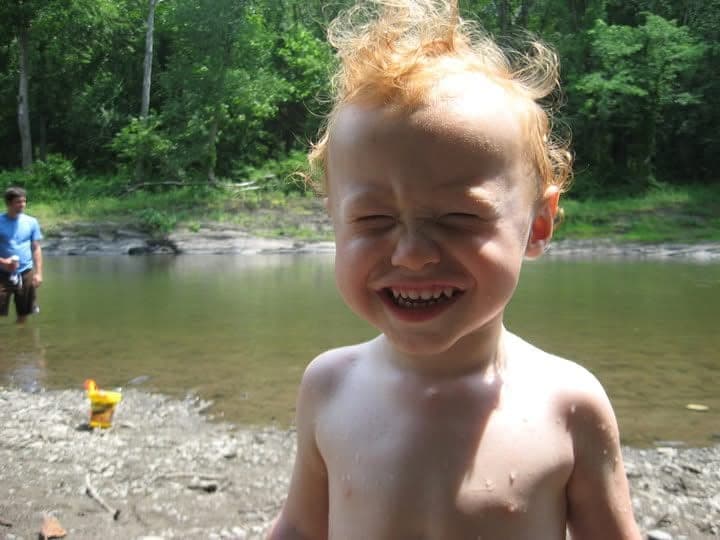
  • Oliver as a toddler, grinning on a riverbank
    Oliver
  • Theodore as a toddler in a red snowsuit and blue hat, standing in deep snow
    Theodore
  • Issaka as a kid in a swimming pool, grinning in orange goggles
    Issaka
Oliver as a toddler, grinning on a riverbank
Down by the river

Fishing with family

Oliver

Honestly I've lost count of how many times I've been fishing. Mostly with my family, sometimes with friends, and some of my favorite days ever happened out on the water.

The more time you spend out there, the more you wonder what's actually under the surface. TIDE lets anyone snap a pic and find out, and tells you when it's something that needs protecting.
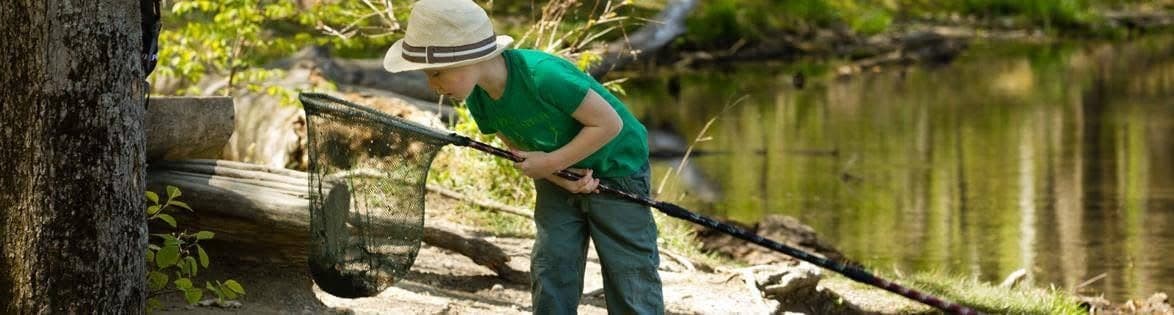
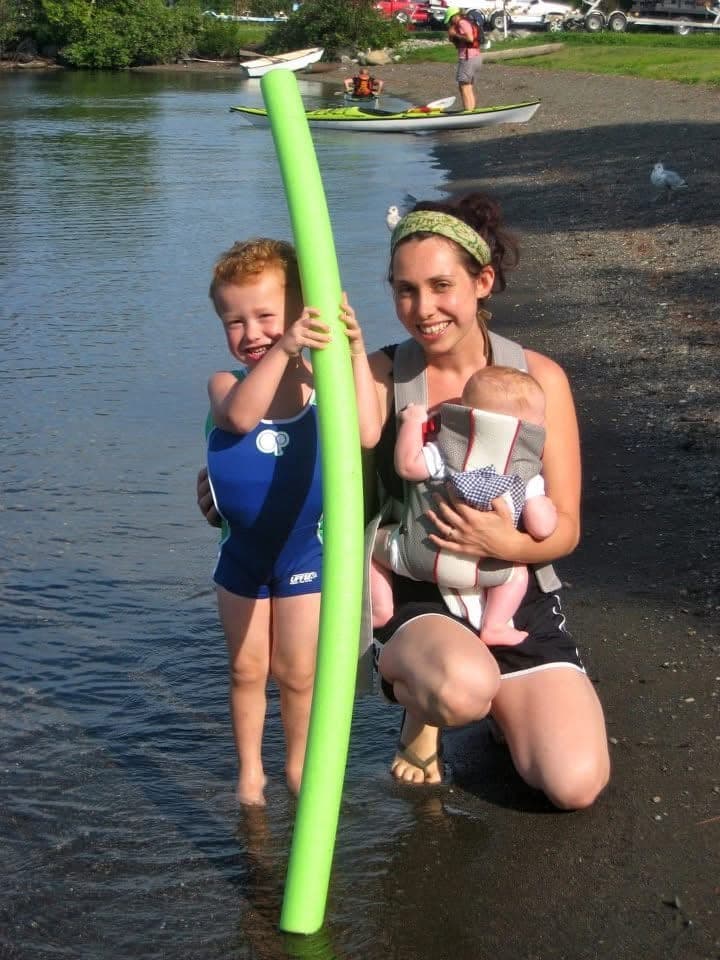
Oliver as a boy in a sun hat, dipping a long-handled net at the edge of a river
Net in hand, checking the shallows
Oliver's family at the water's edge: a toddler holding a pool noodle in the shallows, and a baby in a carrier
In the water with family
Theodore as a toddler in a red snowsuit and blue hat, standing in deep snow
Snow day

Crabbing in South Jersey

Theodore

I've been fishing with my grandparents and my friends basically forever. Bass sometimes, but mostly crabbing off the marsh, from the first warm days of summer until we were pulling traps by moonlight.

Every time you pull one up it's the same questions. Is it four and a half inches? Is that a sponge under her? Is it even legal here? Guess wrong and either you broke the law or you kept a crab that should've gone back.

So we built the thing I always wanted. My phone is the crab gauge, it knows the rules wherever I'm standing, and if I hook something endangered it tells me to let it go. I really care about this water.

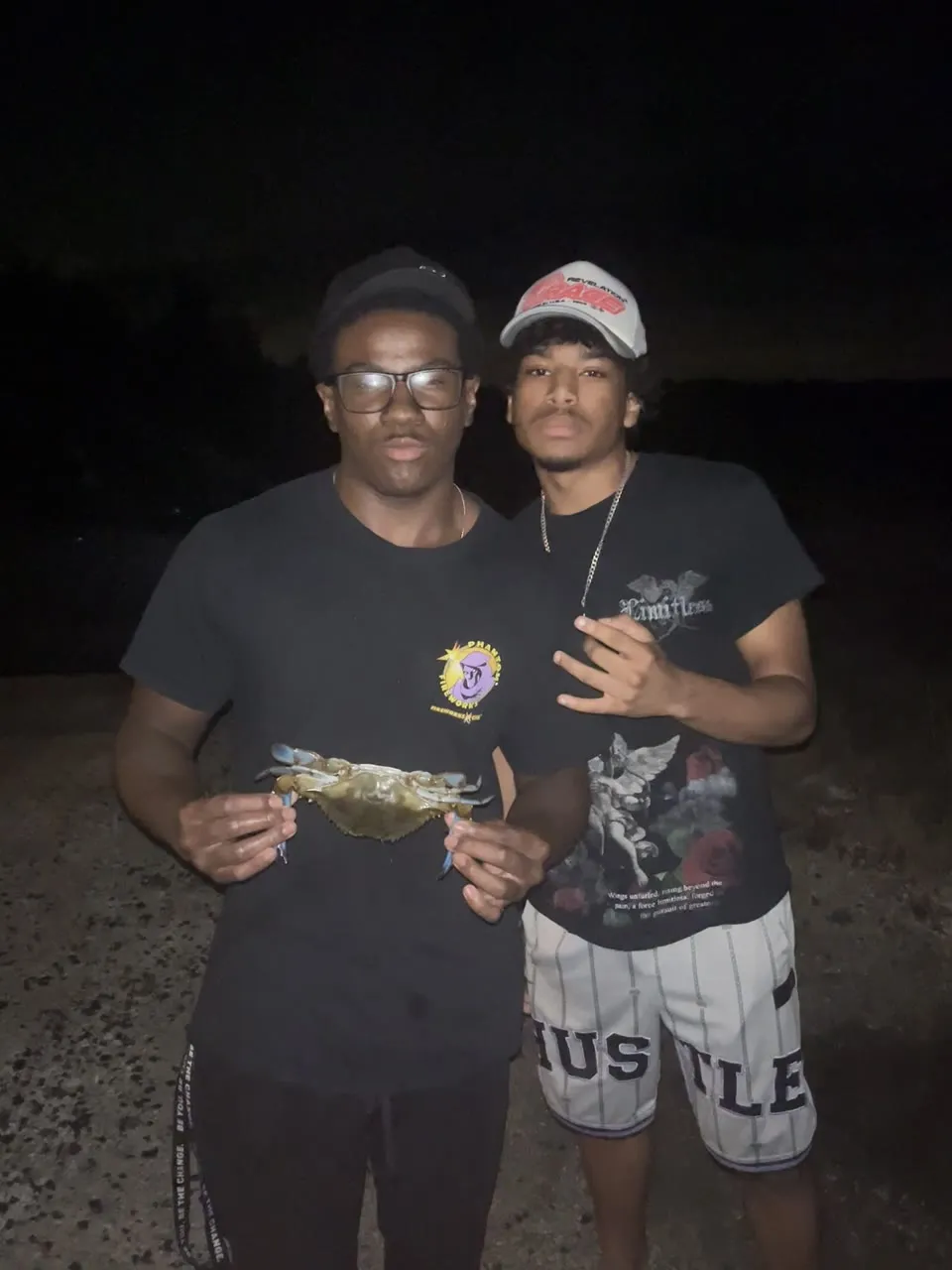
Theodore and a friend holding up a blue crab at nightLIVE
Night crabbing in South Jersey — the one that made it into the bushel
Blue crab, off the back-bay marsh

The fish that started it

“When I was a kid I brought home a pet fish, put him in the wrong kind of water, and he was gone in about an hour. I cried.”
It's a funny story now. But it taught me that the right answer depends on details you can't see just by looking at an animal — what water it needs, how big it has to be, whether it's carrying eggs, whether it's protected. That's what TIDE sees for you.
Issaka as a kid in a swimming pool, grinning in orange goggles
Goggles on

Drawn to the ocean

Issaka

I feel a deep pull toward the ocean. I think about the creatures who live there, from the fish I catch to the dolphins I see diving through the waves.

“I remember trying to swim up to a dolphin as a kid, no matter how much the lifeguards blew the whistle.”
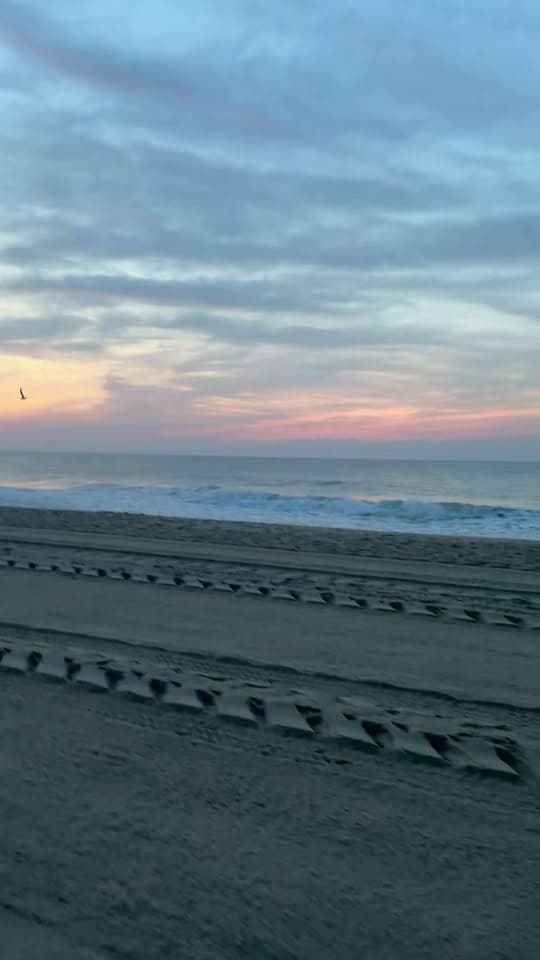
Waves breaking on an empty beach under a pink and blue sky, with a gull overhead
Down at the shore

05The idea

  1. 01 · Camera or upload

    Photo

    Snap it on the dock or the trail. Any phone browser — nothing to install.

  2. 02 · Gemini Flash

    AI

    Google Gemini names the animal, with a confidence score and look-alikes.

  3. 03 · Field guide

    Species

    Matched to TIDE's field guide of the species people actually run into here.

  4. 04 · IUCN · GBIF

    Conservation

    Its IUCN Red List status, checked live through GBIF.

  5. 05 · NJ · PA · MD

    Sustainability

    Your state's size limits, seasons and egg rules — each one cited and dated.

  6. 06 · The call

    Action

    Keep it, release it, leave it or report it. A recipe only for a legal keeper.

  • 50 species — fish, crabs, turtles, amphibians and more
  • 50/50 Red List statuses verified live
  • 11.2M GBIF occurrence records
  • NJ · PA · MD rules, each cited and dated
  • Works offline in Demo Mode

Recorded in TIDE: a photo goes in, the verdict comes out.

01 · Blue crab

94% sure. Pick your state for the verdict, then the recipes.

02 · Striped bass

92% sure. Least Concern, but check your state's slot.

03 · Eastern box turtle

95% sure. Vulnerable, so leave it where it is.

06The app

It runs in any phone's browser — nothing to install.

  • Check my catch

    Keep or release, from your state's size, season and egg rules.

  • Found one

    Turtles and amphibians: leave it, help it across the road, or call it in.

  • Crab gauge

    Calibrate once with a bank card and your phone shows the legal line.

  • Demo Mode

    Six real scenarios that still work with no signal.

Open TIDE

07Live identification

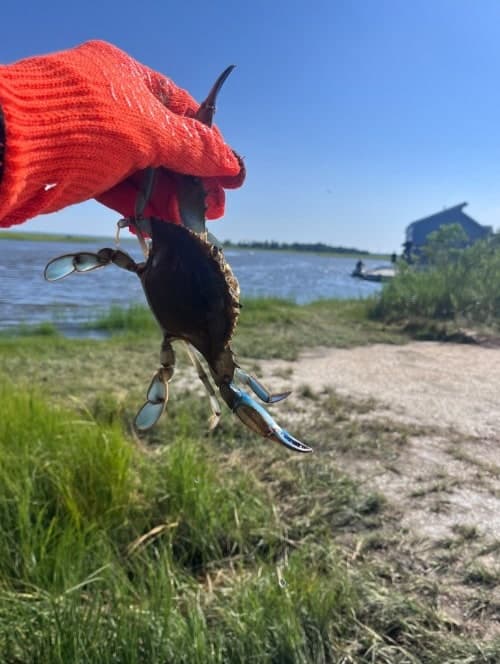
A blue crab held up in an orange crabbing glove on a South Jersey marsh
Theodore's photo, back-bay marsh
  1. 01

    Gemini reads the photo and names the animal, with a confidence score and look-alikes.

  2. 02

    TIDE matches it to its field guide and checks the name against GBIF and the IUCN Red List.

  3. 03

    Pick your state. TIDE applies the size, egg and season rules and makes the call — with a recipe only if it's a keeper.

Open it full screen ↗

If Gemini can't be reached, TIDE offers the result it gave for this photo earlier, labelled as a demo scan.

Drag the current · tap one for its verdict

08Conservation vs. seafood

A species can be doing fine worldwide and still be overfished off your coast, protected by law, or carrying next year's crabs. So TIDE checks more than the Red List — and only offers a recipe when every check passes.

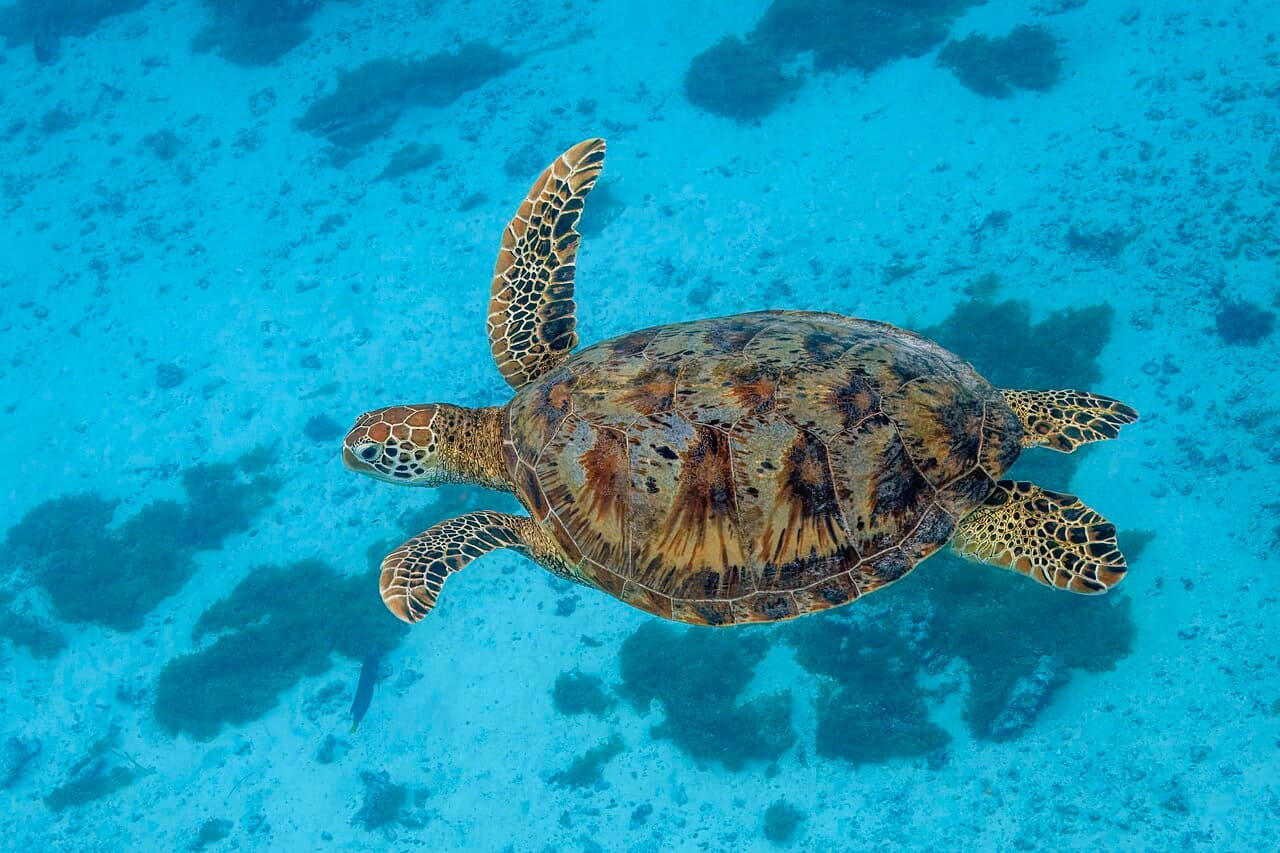
Green Sea Turtle
Protected

Green Sea Turtle

Least Concern

Least Concern worldwide, and still protected by US law and CITES. Leave it, and call it in if it's hurt.

Do Not Consume

No recipes

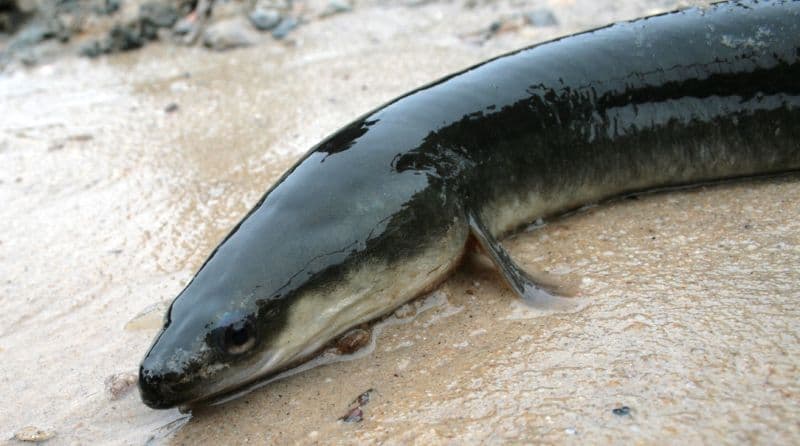
American Eel
Endangered

American Eel

Endangered

Legal to keep in New Jersey at 9 inches, but Endangered worldwide. TIDE suggests letting it go.

Let It Go

No recipes

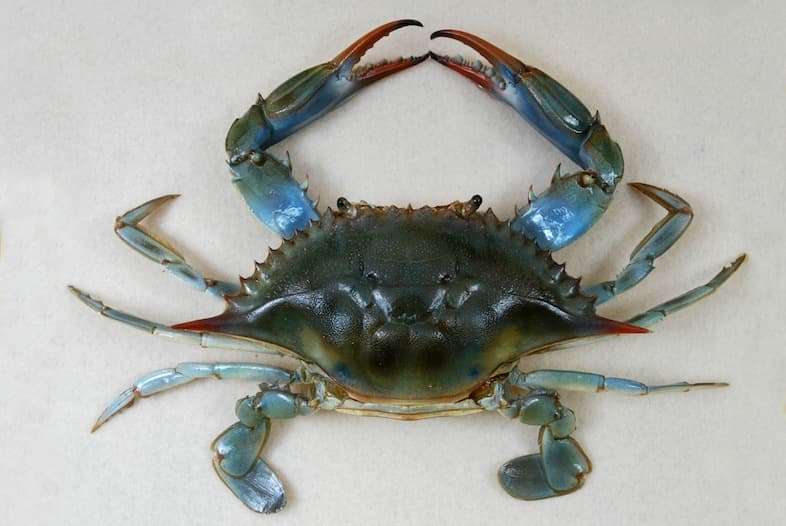
Blue Crab
Common seafood

Blue Crab

Not Evaluated

A keeper in New Jersey at 4½ inches point to point, as long as she isn't carrying eggs.

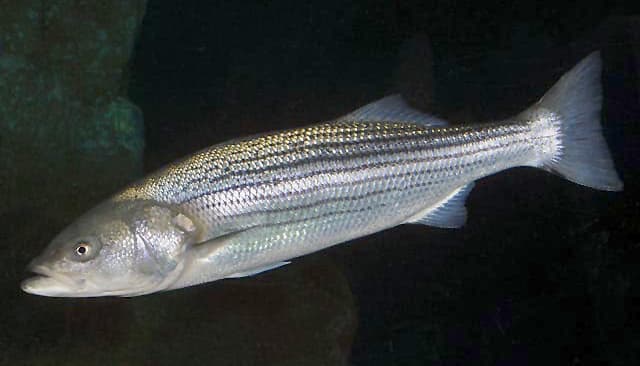
Striped Bass
Sustainability concern

Striped Bass

Least Concern

Least Concern, but closely managed: New Jersey allows one fish from 28 to just under 31 inches.

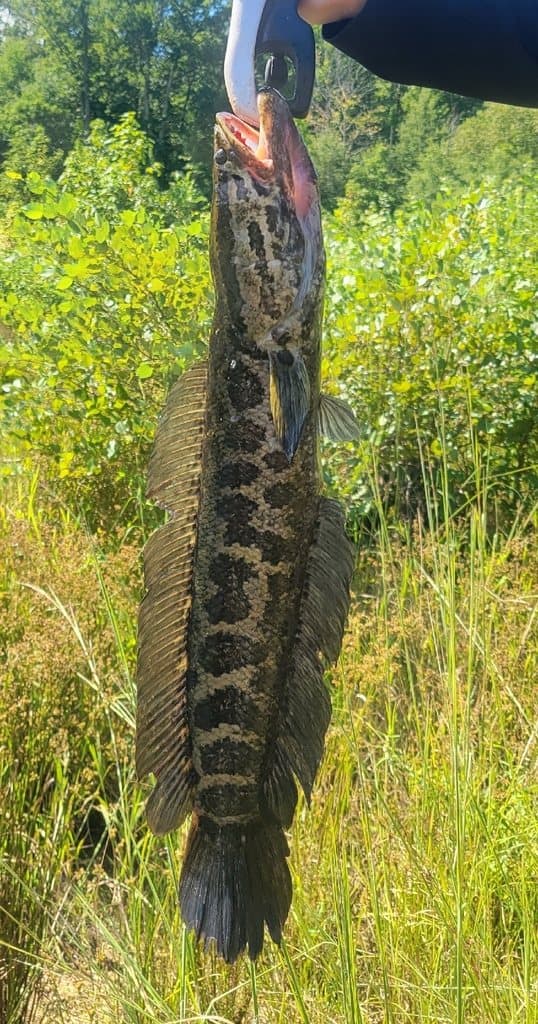
Northern Snakehead
Invasive

Northern Snakehead

Least Concern

Doing fine in its native Asia, invasive here. Don't put it back — and it's good eating.

Try any of the 50.

Same logic as the app: recipes appear only when a species passes every check, and disappear on their own if live data moves it to Endangered.

Green Sea Turtle

Green Sea Turtle

Chelonia mydas

Least ConcernLCDo Not Consume

Harvesting, selling or eating green sea turtles is illegal across most of their range. Their recovery is the direct result of those protections staying in place.

Recipes: withheld · alternatives offered

Open in TIDE ↗

09Projected outcomes

10,935 m · Challenger Deep, the deepest point in the ocean

On one side, published numbers about the people and animals TIDE is for. On the other, our targets for TIDE's first twelve months — projections, not results.

Real-world data · published

TIDE · projected 12-month targets

  • 85–90%Projected

    identification accuracy across supported marine species1

  • 50%+Projected

    of seafood-related sessions interact with sustainability or conservation information before recipes2

  • 10,000+Projected

    marine-life identifications in year one3

  • 25,000+Projected

    species and conservation information views in year one4

How we'd measure the targets

  1. 1A labelled set of photos for every species TIDE supports. An identification counts as correct when TIDE's top answer matches the label.
  2. 2Sessions on species TIDE treats as seafood, counting whether the conservation or rules card was opened before any recipe. TIDE puts them above the recipes by design.
  3. 3Live identifications that return a species. Demo scans don't count.
  4. 4Views of a species page's conservation status, state rules or found-it guidance, from scans or from Discover.

What funding would change

  • All 50 states. A regulations pipeline built with state agencies, instead of a hand-checked table for three.
  • Offline on the water. Rules and the crab gauge cached for marshes and boats with no signal.
  • Season alerts. A heads-up when a limit or season changes for the water you fish.
  • Sightings for science. Opt-in reports of sturgeon, rare turtles and snakeheads, sent to state biologists.

10 · 0 m · Resurfaced

TIDE

See it. Identify it. Understand it. Protect it.

Theodore, Issaka and Oliver · OwlHacks 2026 · identification by Google Gemini

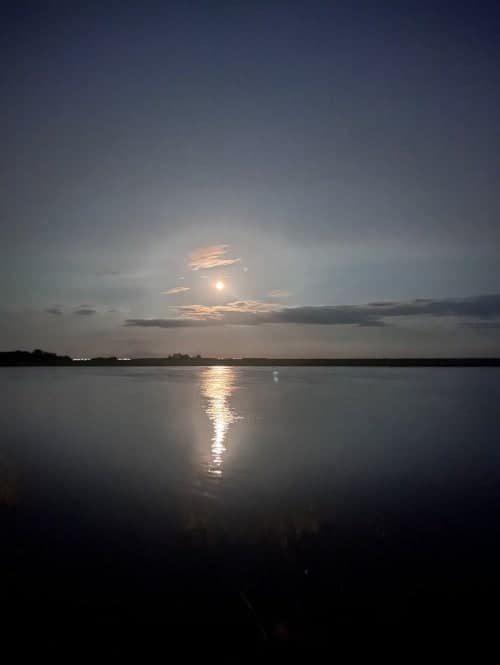
The moon rising over calm water in South Jersey
Moonrise over the bay, South Jersey

TIDE · OwlHacks 2026 · Deep Sea Aquatics

Theodore, Issaka and Oliver

See it. Identify it. Understand it. Protect it.